

When a flexible endoscope comes in for repair, the insertion tube is often the first component a technician inspects — and the most frequently replaced. Yet many repair decisions are made without fully understanding what’s inside that deceptively simple-looking black tube. The insertion tube is not a single extruded pipe. It’s a precision-engineered, multi-layer assembly that must simultaneously protect fiber optics, guide instruments, withstand chemical sterilization, and flex thousands of times without fatigue failure.
Whether you’re sourcing OEM-compatible replacement tubes for Olympus, Fujifilm, or Pentax scopes — or evaluating a supplier’s manufacturing quality — knowing the layer-by-layer anatomy of the insertion tube changes how you assess what you’re buying. This guide breaks down the construction, materials, and quality indicators that separate a reliable replacement tube from one that will fail prematurely.
The Five-Layer Architecture of an Insertion Tube
A standard flexible endoscope insertion tube — whether for a gastroscope, colonoscope, or bronchoscope — consists of five functional layers arranged concentrically from the outside in. Each layer serves a distinct mechanical or protective role, and failure in any one layer compromises the entire assembly.
- Outer Coating (Jacket): Medical-grade polyurethane or silicone elastomer, typically 0.2–0.5 mm thick. Provides the waterproof barrier, chemical resistance, and smooth surface required for patient insertion and reprocessing fluid immersion.
- Braided Reinforcement Layer: Stainless steel (304 or 316L) or aramid fiber (Kevlar) mesh, woven at 35–55 picks per inch. This is the structural backbone — it resists kinking, limits torsional twist, and defines the minimum bend radius of the tube.
- Inner Sheath / Bonding Layer: A thin polymer film that bonds the reinforcement mesh to the internal channel matrix. Prevents delamination between the structural layer and functional channels during thermal cycling.
- Channel Matrix: A multi-lumen extrusion — typically medical-grade PTFE or FEP — containing the biopsy/suction channel, air channel, water channel, and auxiliary lumens. Channel count varies by scope model (4–7 lumens is typical).
- Internal Components (within the matrix): Light guide fiber bundle (1,500–6,000 individual glass fibers), four angulation control wires (stainless steel or tungsten), and — in video endoscopes — the CCD/CMOS signal cable bundle.
This layered architecture is standard across all major manufacturers — Olympus, Fujifilm, and Pentax — though specific materials, layer thicknesses, and channel configurations vary by model series (GIF, CF, BF, EG, EC, EB). Understanding these differences is critical when sourcing model-specific replacement tubes, because a tube that’s dimensionally close but materially different will fail prematurely under clinical use conditions.
Outer Coating Materials: Polyurethane vs. Silicone — Why It Matters
The outer jacket material is the insertion tube’s first line of defense against chemical attack, moisture ingress, and patient contact friction. Two material families dominate the market, and the choice between them has real consequences for tube lifespan.
Polyurethane (PU) is the most common outer coating in current-generation Olympus and Fujifilm scopes. Medical-grade polyether-based PU offers excellent tear strength (50–70 kN/m), low coefficient of friction (0.15–0.25 against wet tissue), and good resistance to glutaraldehyde and peracetic acid — the two most widely used high-level disinfectants. However, PU is susceptible to hydrolysis when exposed to concentrated hydrogen peroxide plasma sterilization (Sterrad systems), which can cause surface cracking within 200–300 cycles according to a 2021 study published in the Journal of Hospital Infection (Costa et al., 2021).
Silicone elastomer offers superior chemical resistance — it withstands virtually all common disinfectants without degradation — and maintains flexibility across a wider temperature range (-50°C to +200°C). Its downside is lower tear strength (20–40 kN/m) and higher surface friction, which makes insertion slightly less smooth and leaves it more vulnerable to bite-mark damage during upper GI procedures. Some Pentax bronchoscope models use silicone outer jackets specifically for their superior chemical compatibility.

Quality check for technicians: When evaluating a replacement insertion tube, run your fingernail lightly along the outer coating surface. It should feel uniformly smooth — no tackiness, no rough patches, no visible bubbles or inclusions. A tacky surface indicates incomplete curing or low-grade polyurethane that will degrade faster under chemical reprocessing. If the supplier cannot provide material certification (ASTM or ISO 10993 biocompatibility documentation), walk away.
Braided Reinforcement: Stainless Steel vs. Kevlar — Choosing the Right Mesh
The braided reinforcement layer is what gives the insertion tube its kink resistance and controls its bending behavior. Two materials are used, and they behave very differently in service.
| Property | Stainless Steel Braid (304/316L) | Aramid (Kevlar) Braid |
|---|---|---|
| Tensile Strength | 515–620 MPa | 3,620 MPa |
| Kink Resistance | Excellent — sharp bend recovery | Good — more gradual recovery |
| Fatigue Life | 10,000–30,000 flex cycles to failure | 50,000+ flex cycles to failure |
| MRI Compatibility | Not MRI-safe (ferromagnetic) | MRI-safe (non-metallic) |
| Corrosion Risk | Yes — chloride pitting from saline & disinfectants | None — chemically inert |
| Cost | Lower — standard material | Higher — approximately 2–3× stainless braid cost |
| Typical Application | GI scopes (GIF, CF series), duodenoscopes | Bronchoscopes (BF series), specialty scopes |
Stainless steel braid dominates the GI endoscope market because it provides the tactile stiffness and kink resistance that gastroenterologists expect when advancing through the colon or performing retroflexion. However, stainless braid is vulnerable to chloride-induced stress corrosion cracking — a failure mode accelerated by saline exposure during procedures and chloride-containing disinfectants during reprocessing. A 2023 review published in Endoscopy International Open (Schmidt et al., 2023) documented that chloride corrosion accounted for 12–18% of premature insertion tube failures in high-volume GI labs using automated endoscope reprocessors (AERs).
Kevlar braid is used selectively — primarily in bronchoscopes and specialty scopes where MRI compatibility matters or where the lighter weight and higher fatigue life justify the cost premium. The trade-off is that Kevlar-braided tubes feel “softer” in the hand, and some clinicians report reduced tactile feedback during insertion. For repair shops, the practical distinction is this: always match the braid material to the OEM specification. Substituting a stainless-braided tube for a Kevlar-spec bronchoscope introduces an MRI safety hazard. Substituting Kevlar for stainless in a colonoscope produces a tube that may kink more easily under the higher insertion forces typical of colonoscopy.
Internal Channel Configuration: What Changes Between Scope Models
The internal channel matrix is where insertion tubes diverge most significantly across scope models. This is not a one-size-fits-most component. A replacement tube built for an Olympus GIF-H190 gastroscope will not work in a GIF-Q180, even though both are upper GI scopes from the same manufacturer. The differences are in channel count, channel diameter, and lumen positioning within the matrix.
Key channel specifications to verify when sourcing a replacement tube:
- Biopsy/Suction channel inner diameter (ID): Typically 2.0 mm (bronchoscope), 2.8 mm (standard gastroscope), 3.2 mm (therapeutic gastroscope), or 3.7–4.2 mm (therapeutic colonoscope/duodenoscope). A mismatch of even 0.2 mm will cause instrument binding and premature channel wear.
- Air channel ID: Typically 0.8–1.2 mm. Constrictions here will cause the air/water valve to feel “stiff” and reduce insufflation performance.
- Water channel ID: Similar range to air channel. Must be verified independently — on some models the air and water channels are separate lumens; on others they share a bifurcated lumen.
- Auxiliary water jet channel (if equipped): Present on therapeutic models, typically 1.5–2.0 mm ID. Missing this channel on a therapeutic-scope replacement tube renders the auxiliary water function inoperable.
- Light guide bundle channel: Must accommodate the full fiber count of the scope’s light guide without compression. Compressed fibers reduce light transmission and create hot spots at the distal tip.
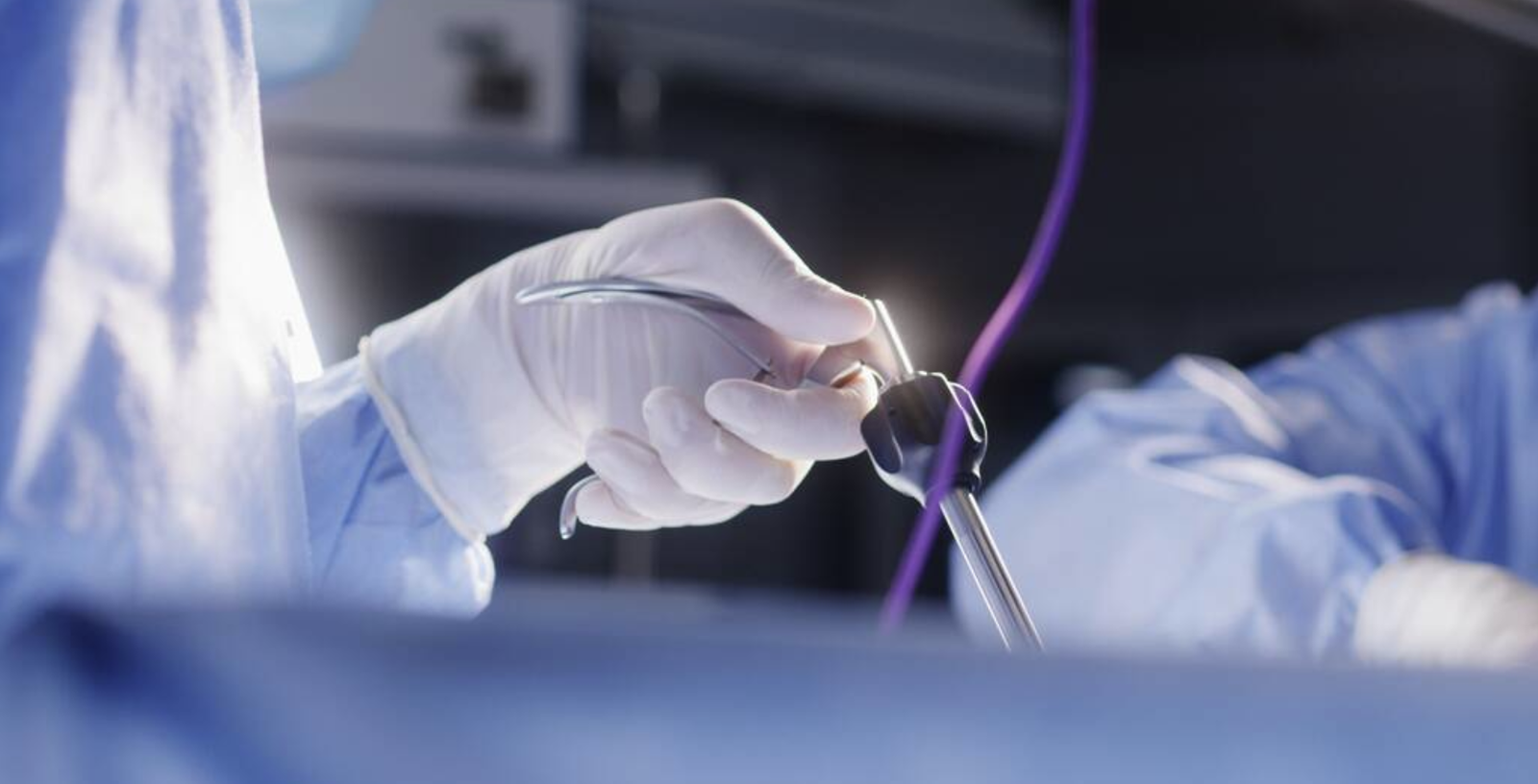
Outer Diameter Ranges and Working Lengths by Scope Type
The outer diameter (OD) and working length of the insertion tube vary substantially across scope categories. The table below summarizes typical dimensions for the most common flexible endoscope types — useful as a quick reference when verifying replacement tube specifications against the scope being repaired.
| Scope Category | Typical OD (Distal Tip) | Typical OD (Insertion Tube) | Working Length | Representative Models |
|---|---|---|---|---|
| Diagnostic Gastroscope | 8.6–9.2 mm | 8.8–9.5 mm | 1,030–1,050 mm | Olympus GIF-H190, Fujifilm EG-580RD |
| Therapeutic Gastroscope | 9.8–10.5 mm | 9.8–11.0 mm | 1,030–1,100 mm | Olympus GIF-1TH190, Pentax EG-3490TK |
| Standard Colonoscope | 12.0–12.8 mm | 12.8–13.2 mm | 1,330–1,680 mm | Olympus CF-H190I, Fujifilm EC-600WI |
| Diagnostic Bronchoscope | 4.8–5.5 mm | 5.1–6.0 mm | 600 mm | Olympus BF-P190, Pentax EB-1570K |
| Therapeutic Bronchoscope | 5.9–6.3 mm | 6.0–6.5 mm | 600 mm | Olympus BF-1TH190 |
| Duodenoscope | 12.1–13.5 mm | 11.3–12.5 mm | 1,240–1,250 mm | Olympus TJF-Q180V, Fujifilm ED-580XT |
Note that the distal tip OD is often slightly smaller than the insertion tube OD — this step-down at the bending section transition is intentional and contributes to the scope’s ability to articulate through tortuous anatomy without catching on tissue. A replacement tube that doesn’t match this OD transition profile will create a “step” at the bending section junction, increasing insertion resistance and potentially causing tissue trauma.
How to Evaluate Insertion Tube Quality Before Installation
For independent repair shops and hospital biomedical engineering departments, the quality of the replacement insertion tube you install directly affects your repair warranty rate, your turnaround time, and your reputation with clinical staff. Here’s a practical five-point pre-installation quality checklist:
- Dimensional Verification: Measure OD at three points (proximal, middle, distal) using a calibrated micrometer. Tolerance should be within ±0.1 mm of the OEM specification. Measure biopsy channel ID with a pin gauge set. Verify working length with a calibrated tape measure — a short tube will not reach the light guide connector properly.
- Coating Surface Inspection: Under 10× magnification, the coating surface should be uniformly smooth and free of pinholes, bubbles, or delamination zones. Run the tube through your fingers — it should feel consistently smooth from end to end. Roughness or tackiness indicates manufacturing defects.
- Braid Uniformity Check: Flex the tube through its full range of motion and observe for any localized flattening, asymmetric bending, or “hinge points” where the tube bends more easily in one spot than elsewhere. A well-made tube bends in a smooth, continuous arc with no hard spots.
- Leak Test at Installation Pressure: Before installing the tube on the scope, cap the proximal end and pressurize to 25–30 kPa (the standard endoscopic leak test pressure range). Hold for 60 seconds. Any pressure drop, however small, is a rejection criterion.
- Channel Patency Test: Pass a brush of the correct diameter through each channel (biopsy, air, water, auxiliary) and verify smooth passage without binding. Resistance at any point indicates a manufacturing defect — likely a collapsed lumen or incomplete extrusion.
At MedWalt, every insertion tube assembly ships with dimensional verification documentation, material traceability records, and a pre-shipment leak test certificate. We maintain insertion tube inventory for major Olympus GI (GIF-H, GIF-Q, CF-H, CF-Q series), Fujifilm (EG, EC series), and Pentax (EG, EC, EB series) scope models, with 3–5 business day international shipping to most destinations.
What Insertion Tube Replacement Costs — And Why Quality Matters at Any Price Point
Insertion tube replacement is typically the most expensive single-component repair on a flexible endoscope. Cost ranges by scope category:
- Diagnostic gastroscope insertion tube replacement: $2,500–$4,000 (part + labor)
- Therapeutic gastroscope / standard colonoscope: $3,500–$5,500
- Duodenoscope / specialty scope: $4,500–$7,000+
These figures explain why many facilities consider repair vs. replacement decisions carefully. But here is the counterintuitive reality: the cost of the replacement tube component itself is often less than 40% of the total repair invoice. The majority of the cost is labor — a full insertion tube replacement, including disassembly, channel re-routing, fiber bundle re-threading, adhesive curing at multiple bond points, angulation wire re-tensioning, and post-repair quality testing — typically requires 6–10 technician hours on a GI scope.
This means that saving $200–$300 on a lower-quality replacement tube — only to have it fail within a year and require a second rebuild — is a false economy. The true cost of the repair is the labor, not the tube. Installing a tube of unverified quality is gambling 8 hours of technician time and a clinic’s procedure schedule against a small parts cost saving. It rarely pays off.
For repair shops and hospital BMET departments looking to source reliable flexible endoscope insertion tubes, MedWalt offers OEM-compatible assemblies with full documentation support — including dimensional reports, material certifications, and pre-shipment quality test data — to help you make confident purchasing decisions. Browse our insertion tube catalog or contact our technical support team for model-specific compatibility verification.
Frequently Asked Questions
How long does an insertion tube replacement take?
A full insertion tube replacement on a standard GI scope (gastroscope or colonoscope) typically requires 6–10 hours of bench time for an experienced technician. Rush service from OEM service centers can take 5–10 business days; independent repair shops with in-stock tubes can often complete the repair in 2–4 business days.
Can a damaged insertion tube be repaired rather than replaced?
Small, isolated coating nicks that don’t expose the braided reinforcement layer and pass a full-pressure leak test can sometimes be patched with medical-grade adhesive as a temporary measure. However, any damage that exposes the braid, involves channel perforation, or correlates with a failed leak test requires full tube replacement. Partial repairs are stopgaps, not solutions.
What is the typical lifespan of an endoscope insertion tube?
Under standard clinical use with proper handling and reprocessing, manufacturers specify a 5–7 year service life for the insertion tube. This assumes compliance with reprocessing chemical concentration and exposure time guidelines, use of bite guards during upper GI procedures, and proper coiling and storage. Tubes exposed to aggressive chemical reprocessing or physical mishandling may need replacement in 2–3 years.
Are OEM-compatible insertion tubes as reliable as OEM original parts?
When sourced from a reputable supplier that provides dimensional verification, material traceability, and pre-shipment quality testing — yes. The materials used in insertion tube construction (medical-grade polyurethane, 304/316L stainless steel braid, PTFE channel extrusions) are commodity medical materials, not proprietary formulations. What matters is manufacturing precision and quality control, not the brand label on the box. Always request documentation before purchasing.
Looking for reliable flexible endoscope insertion tubes with full quality documentation? Visit MedWalt.com to browse our catalog or contact us for model-specific compatibility verification and a quotation.
